Vilna · Rudniki forest · Ein HaHoresh
Abba Kovner
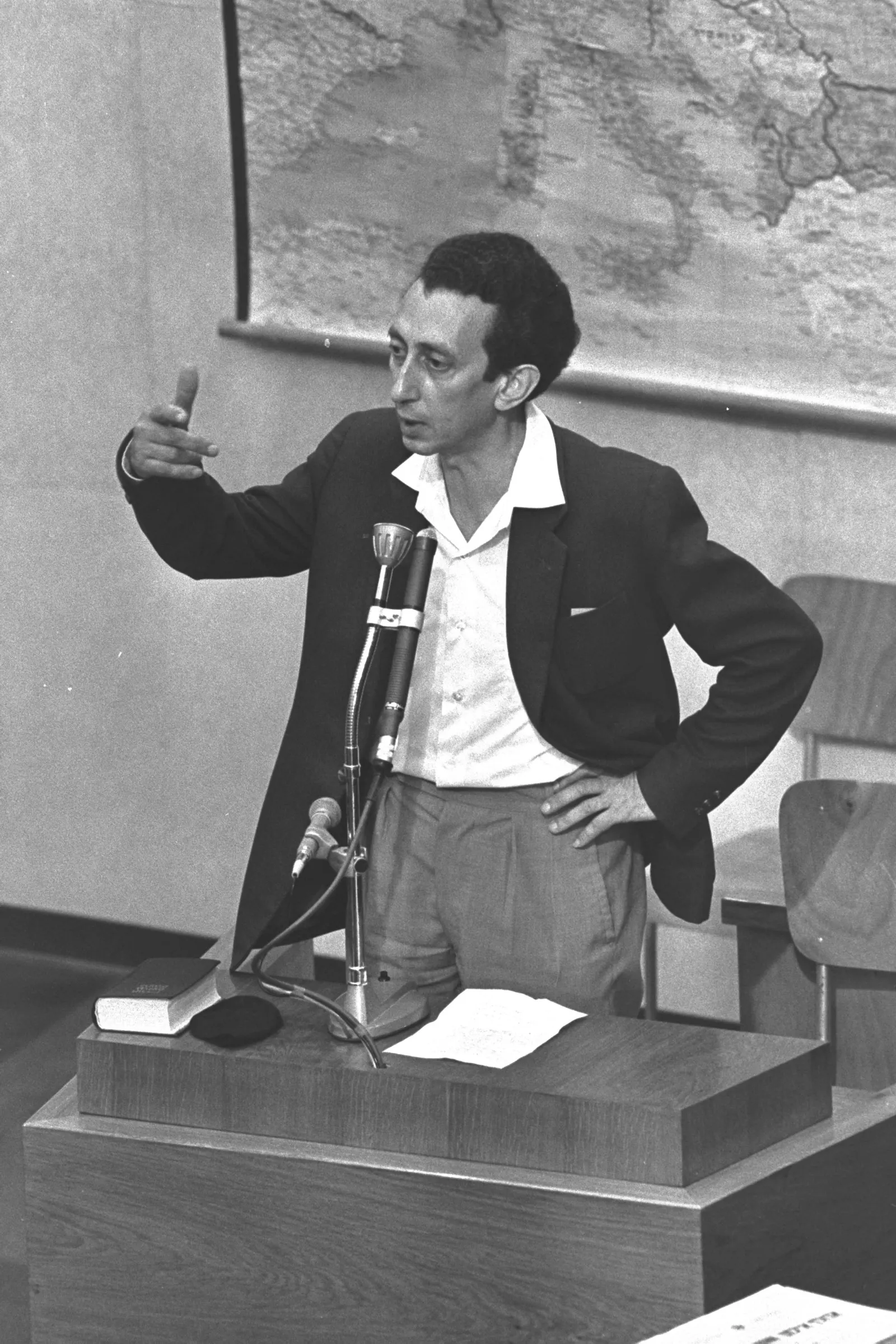
Abba Kovner was a Hashomer Hatzair leader in the Vilna ghetto who called on Jews to resist, helped found the United Partisan Organization (FPO) and commanded Jewish partisans in the Rudniki forest. After the war he led the Nakam revenge group, settled at Kibbutz Ein HaHoresh and became a leading Hebrew poet.
Early years and Hashomer Hatzair
Abba Kovner was born on 14 March 1918. The sources disagree on where. The Jewish Partisan Educational Foundation (JPEF) and the text of Hebrew Wikipedia give Sevastopol in Crimea; English Wikipedia, and the infobox of Hebrew Wikipedia, give Ashmyany (Oszmiana), today in Belarus.
According to English Wikipedia his family moved to Vilna (Wilno, today Vilnius) in 1927. He studied at the Hebrew Tarbut gymnasium and at the Faculty of Arts of Stefan Batory University, and became active in the socialist Zionist youth movement Hashomer Hatzair.
The call to resist and the FPO
After the German occupation of Vilna in June 1941, Kovner hid for a time with friends from his movement in a Dominican convent on the edge of the city, run by Anna Borkowska, and then returned to the ghetto (English Wikipedia).
On the night of 31 December 1941 he read a manifesto at a meeting of movement members in the ghetto (Hebrew Wikipedia, JPEF). The text is dated 1 January 1942, and English Wikipedia notes that its authorship has been questioned. Its best known line is:
Let us not go like sheep to the slaughter.
Abba Kovner, manifesto read in the Vilna ghetto, 31 December 1941 (Hebrew Wikipedia; English Wikipedia gives it as "lambs to the slaughter")
About three weeks later, in January 1942, the United Partisan Organization (FPO, Fareynikte Partizaner Organizatsye) was founded, with Kovner among its leaders alongside Yitzhak Wittenberg (JPEF, English and Hebrew Wikipedia). In July 1943 Wittenberg gave himself up to the Germans to prevent an attack on the ghetto, and Kovner took command (English and Hebrew Wikipedia). The full story is on The Vilna ghetto and the FPO.
The Avengers in the Rudniki forest
When the ghetto was destroyed in September 1943, Kovner escaped with FPO fighters to the Rudniki (Rūdninkai) forest near Vilna. From then until the return of the Red Army in July 1944 he commanded a Jewish partisan unit there called the Avengers (Hebrew Wikipedia calls it the "Nokem" battalion), together with Vitka Kempner and Rozka Korczak (English and Hebrew Wikipedia).
- September 1943 Escape from the ghetto to the Rudniki forest (Hebrew and English Wikipedia).
- September 1943 to July 1944 Command of the Avengers in the Rudniki forest (English Wikipedia).
- 7 July 1944 Return towards Vilna with the Red Army and the surviving Avengers (JPEF).
- 13 July 1944 The Avengers took part in the recapture of Vilna from the Germans (JPEF).
Other young Jews from the region who fought in the forests included Yitzhak Arad, who visited Kovner in the Vilna ghetto in April 1943. For background see Jewish partisans.
Berihah, Nakam and Israel
After the liberation of Vilna, Kovner was one of the founders of the Berihah, the movement that helped Jews leave Eastern Europe (English Wikipedia). At the end of the war he also co-founded and led Nakam ("revenge"), a group of partisans and survivors who planned to kill Germans in revenge for the Holocaust. English Wikipedia describes two plans: plan A, to poison the water supply of German cities, and plan B, to kill SS prisoners held in Allied camps.
Kovner was arrested by the British on the ship returning him to Europe, in December 1945 according to Hebrew Wikipedia, and held for a few months in Cairo; plan A was abandoned (English and Hebrew Wikipedia). In April 1946 members of the group poisoned bread at the Langwasser camp near Nuremberg; according to English Wikipedia more than 2,200 prisoners fell ill and none died. The Hebrew site has a page on Nakam.
In March 1946 Kovner joined Kibbutz Ein HaHoresh, where he lived for the rest of his life (Hebrew Wikipedia). He married Vitka Kempner in 1946 and they had two children, the painter Michael Kovner and Shlomit Kovner (English and Hebrew Wikipedia). In 1948 he served as a captain in the Givati Brigade (English Wikipedia), and in 1961 he testified at the trial of Adolf Eichmann in Jerusalem (JPEF, English Wikipedia).
Poet and museum maker
Kovner wrote in Hebrew. Among his books of poetry, as listed by Hebrew and English Wikipedia:
- Ad Lo Or (Until No Light), a partisan poem, 1947.
- Preda Me-ha-Darom (Farewell to the South), 1949.
- Ahoti Ketana (My Little Sister), 1967.
- Salon Catering, 1987.
He received the Brenner Prize in 1968, the Israel Prize for literature in 1970 and the Prime Minister's Prize for Hebrew literature in 1986 (English Wikipedia; the Israel Prize year also in JPEF). He helped shape the concept and content of Beit Hatfutsot, the Museum of the Jewish People in Tel Aviv, and other museums (English and Hebrew Wikipedia).
Abba Kovner died on 25 September 1987 at his home in Ein HaHoresh, aged 69 (English Wikipedia, which gives cancer of the larynx as the cause), and was buried at the kibbutz (Hebrew Wikipedia).
Questions people ask
Where was Abba Kovner born?
Sources disagree. JPEF and the text of Hebrew Wikipedia say Sevastopol in Crimea; English Wikipedia says Ashmyany, today in Belarus. All agree on the year 1918, and Wikipedia gives 14 March.
What did Abba Kovner say in the Vilna ghetto?
On the night of 31 December 1941 he read a manifesto calling on the Jews of the ghetto not to go "like sheep to the slaughter" and to resist. The text is dated 1 January 1942.
Who were the Avengers?
A Jewish partisan unit in the Rudniki forest, commanded by Kovner from September 1943 until July 1944, with Vitka Kempner and Rozka Korczak among its leaders.
Was Abba Kovner married to Vitka Kempner?
Yes. They married in 1946, lived at Kibbutz Ein HaHoresh and had two children, Michael and Shlomit.
When did Abba Kovner die?
On 25 September 1987, at Kibbutz Ein HaHoresh in Israel.
Sources
- Abba Kovner · English Wikipedia
- אבא קובנר · Hebrew Wikipedia
- Abba Kovner · Jewish Partisan Educational Foundation (JPEF)
Last checked against the sources on November 10, 2026. Found a mistake? Tell us.
Read next
-
 Kalisz · Vilna · Rudniki forest
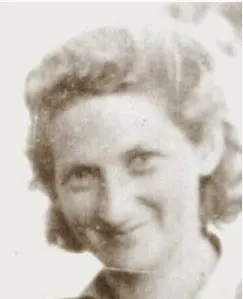
Vitka Kempner
Vilna ghetto fighter who carried out the FPO's first sabotage and led patrols in the Rudniki forest.
- Vilna · 1941 to 1944
The Vilna ghetto and the FPO
The Vilna ghetto underground, from Kovner's call to the escape through the sewers.
-
 Švenčionys · Naroch forest · Israel
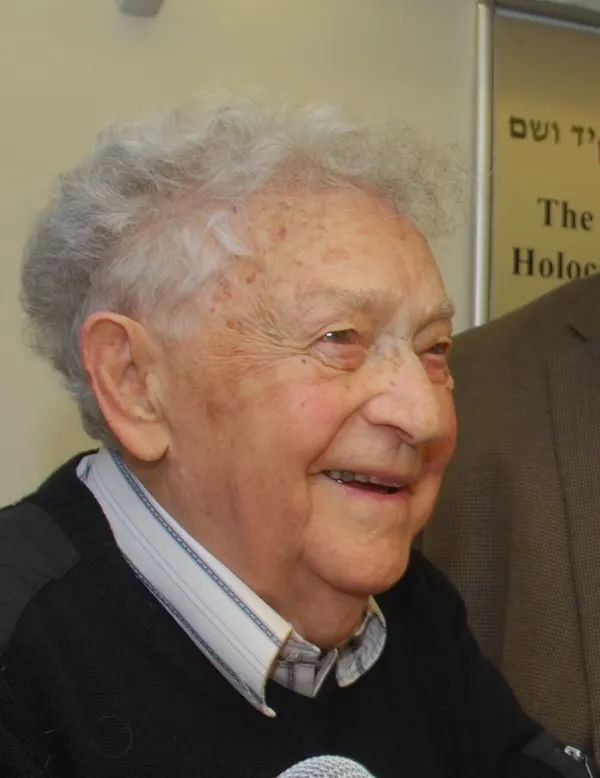
Yitzhak Arad
Ghetto underground member and Soviet partisan who became an IDF general, chairman of Yad Vashem and a leading historian.
- History · Overview
Jewish partisans in the Second World War
Who the Jewish partisans were, how many fought and where.